
Sea Star Tips for Children’s Book Writing: (Hint)Try Not to Rhyme
-Judith Caseley, author/illustrator of over forty books for children
I have written books for children since 1985, when my daughter Jenna was born. I took a circuitous route to becoming an author, but having a baby spurred my creativity, and real life gave way to real stories. I would wheel Jenna in her carriage until she fell asleep and pull into a local bakery for coffee and a muffin. (Mama, Coming and Going is dedicated to my favorite haunt!) I have a few tips to share. my favorite haunt!) I have a few tips to share.
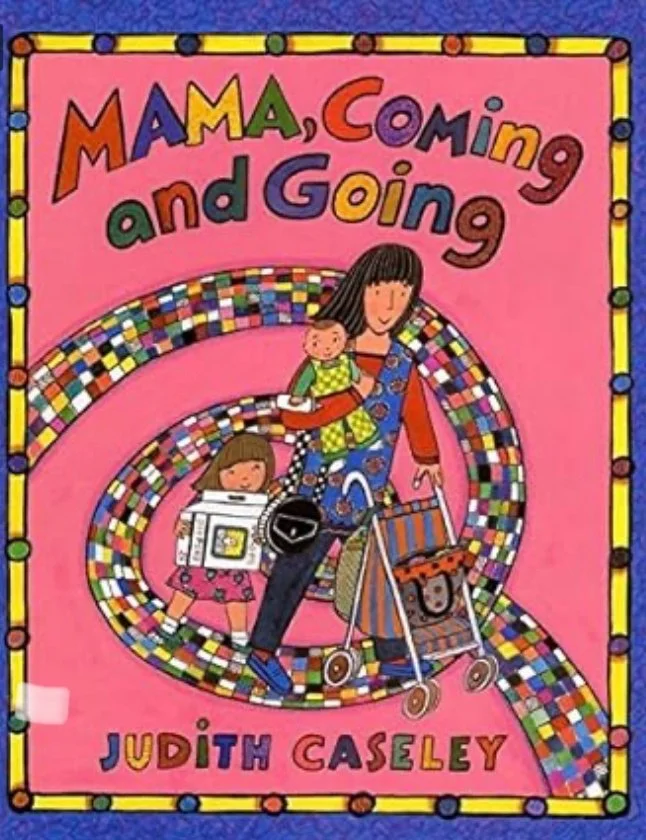
Number One: do not rhyme. Unless you are Dr Seuss (The Cat in the Hat), Bill Martin Jr. (Brown Bear, Brown Bear, What Do You See?), Ludwig Bemelmans (Madeline), or maybe Anna Dewdney (Llama Llama, Red Pajama), the days of rhyming are over.
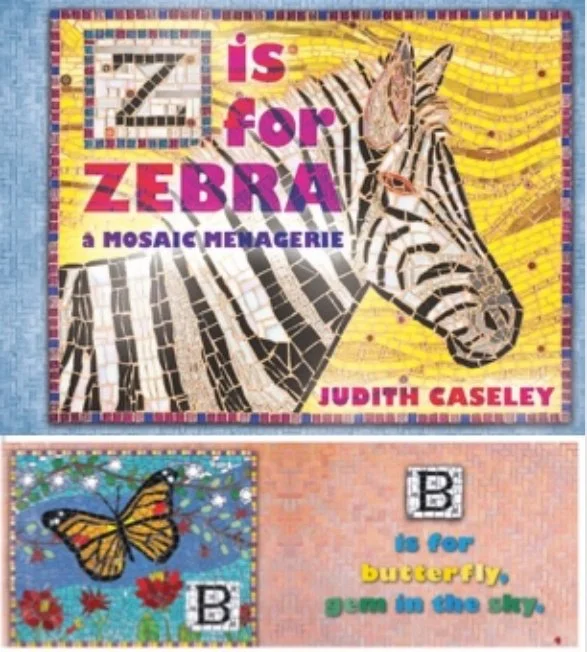
Full disclosure: I did rhyme my last book, Z is for Zebra: A Mosaic Menagerie, and guess what? My rhymes were panned by one severe critic, although my mosaic pictures won an Elit Bronze award. Yes, I took it very personally as he used the word hackneyed, and except for the occasional birthday poem, I have rarely rhymed again.
When starting your first children’s book, here’s what to write about: what you know. What you love. Your family. Yourself. What you are passionate about. What is seared in your memory. Let me explain.
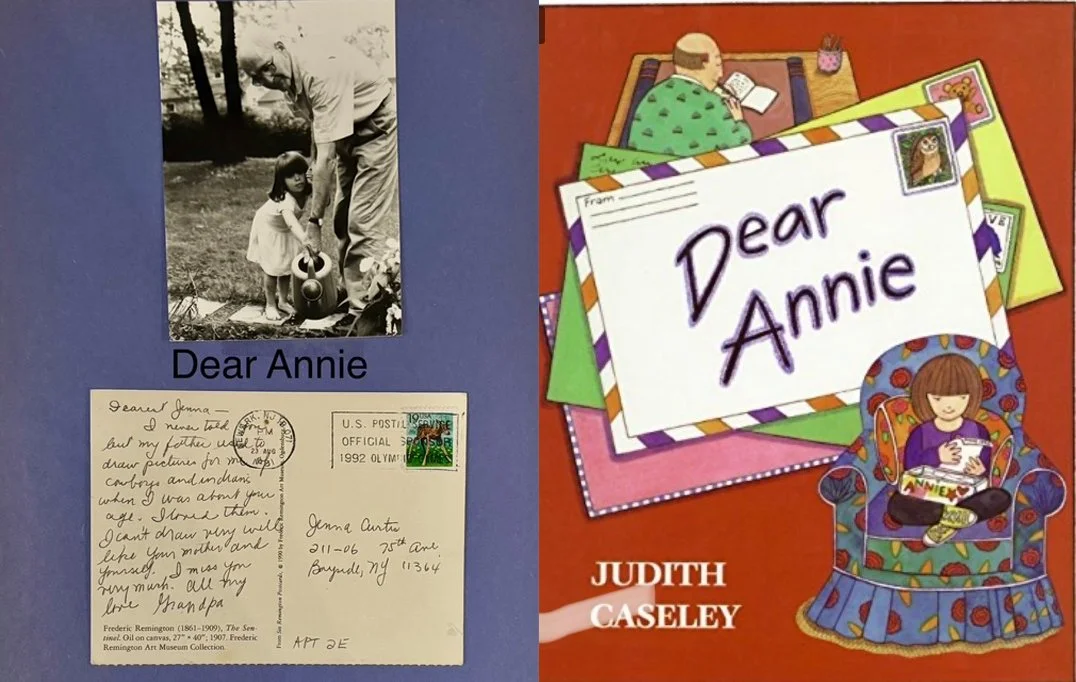
In Dear Annie, published by Greenwillow Books in 1991, I wrote about a little girl, my daughter Jenna, whose grandfather writes her letters. For several years, Jenna received postcards and ditties from her Grandpa Lester that she kept in a shoebox. We still have the letters, safe and sound in the Stride-right box that stored them. Striving for authenticity, I copied some of them and put them in the book. Grandpa Lester’s letters made the story authentic because they came from the heart of a loving grandparent.
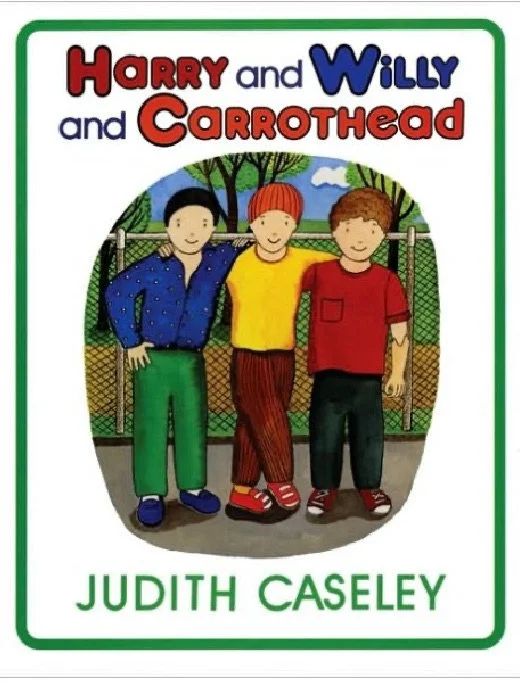
Jot down real events that occur in everyday life: a science project gone wrong, a vacation that goes awry, meeting someone different. I watched a young boy with no left hand in the playground, and wrote Harry and Willy and Carrothead about him. He didn’t mind when children asked him about his prosthesis. He minded when they stared and whispered.
Remember Jo March in Little Women? At first, she wrote adventures about damsels in distress, characters she had never met. Professor Bhaer encourages her to write about her family, and she does just that. In Kathryn Forbes’ novel, Mama’s Bank Account, she loosely bases her novel on her childhood, and I Remember Mama, as a play, film and musical, was born.
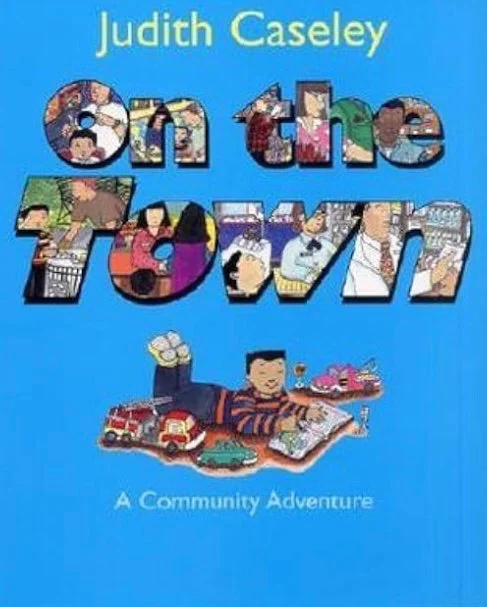
For On the Town: A Community Adventure, I took a camera and walked around Glen Head, New York, photographing the owner of the flower shop, the postmistress, the pharmacist, the bank teller, and put them in the book with my mother a nurse and my father a priest.
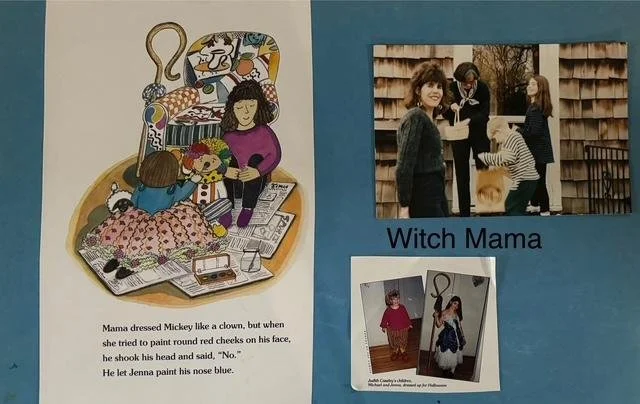
Do fictionalize. I was not the witch in Witch Mama, scaring the children. Our babysitter was. I screamed more at my children in real life than in Mama, Coming and Going, but I am the mother in every one of my books, and my hair style and color changes in every illustration as it did in real life. I married a hairdresser.
My takeaways? Listen to your children for great scenarios. Simplify. Be authentic. And try, if you can, not to rhyme.