Hybrid Publishing or Traditional Publishing: What’s the Smart Choice for Your Book?
Back in the mid-1980s, the publishing world felt like a different planet. As a children’s book author and illustrator, I had the extraordinary luck of publishing with some of the greats—Farrar Straus & Giroux, Harper Collins, Alfred A. Knopf, and Greenwillow Books.
And yes—it really was a time when you could drop off your portfolio at reception, make a phone call to an editor, or walk into an office with your story tucked under your arm. That’s how I met Susan Hirschman, legendary founder of Greenwillow Books, and how a single conversation changed the course of my career.
I showed her my illustrated version of Cinderella during my lunch break. But when I casually mentioned a childhood story about stage fright, she waved Cinderella away.
“Forget that. Write down the stage-fright story and come back.”
That was Susan—fierce, authentic, brilliant. She pounced on real stories like a lion. Around that same time, she discovered Caldecott medalist Kevin Henkes. He was so young she called his mother to confirm he was allowed to be wandering alone in New York City. Publishing was personal back then—intimate, human, unhurried.

Susan Hirschman and Judith Caseley
When the Publishing World Changed
Susan retired in 2001, and in many ways, the publishing landscape exploded into something unrecognizable. Suddenly agents were the gatekeepers. I hired—and fired—one who submitted manuscripts to publishers I already had relationships with (and still took a cut.)
Getting a manuscript read became nearly impossible. I published a few more books with smaller presses, then eventually shifted my focus to art.
Fast-forward to 2023: a hybrid publisher approached me with an unexpected question. “Would you like to become an editor?” I said yes. And that began my crash course in a world I had largely ignored: Hybrid Publishing, because the business had changed dramatically.
Watching my daughter spend over a year simply trying to find an agent for her YA novel hammered home just how much.
So if you’re trying to decide between Hybrid Publishing or Traditional Publishing, here’s the clear-eyed breakdown I see, having published predominantly in one but also in another.
1. Slush piles are enormous
Even strong manuscripts often never get read. Knowing someone inside doesn’t guarantee your story gets a look.
2. You need an agent—but agents want published authors
It’s a double whammy: you need an agent to get published. But you often need to be published to get an agent
Unless your story is lightning in a bottle, it’s a long, uphill climb.
3. Never submit a fully illustrated children’s book
A publisher may reject your manuscript because they dislike the art—even if the story is solid. They already have a roster of illustrators to choose from.
4. Even published authors are struggling
Agents are telling long-established authors they’re “not cutting-edge enough.” And here’s a major takeaway: publishers want new authors to have a platform.
A social media presence, a newsletter, a following—marketing departments no longer do the heavy lifting.
My traditional-publishing takeaway
You can try. But getting a story read is extremely difficult.
If a publisher does take a chance on a new author—and it’s close to a miracle when they do—the advance will be small. Don't expect big money. Expect big waiting.
Hybrid Publishing: What You Need to Know
1. You pay upfront—but you get real production support
A reputable hybrid publisher will develop and edit your manuscript, copyedit, provide professional design and layout, create sell sheets, acquire your ISBN and Library of Congress number, and manage your KDP, IngramSpark and Amazon setup. They are there to help.
2. The royalties are dramatically higher
Traditional publishing: 10–15%
Hybrid publishing: 50–75%
But keep in mind, you are paying for production and publication up front.
3. Print on demand gives you freedom
You can order copies for school visits, library events, book fairs, conferences, and speaking engagements, purchase 100 copies, and sell them at double the cost. But don’t expect to get rich. That’s not the business model for either platform.

My hybrid-publishing takeaway
If you have a cherished story you want to see in print—Hybrid Publishing is often the smarter path. Finding a traditional publisher is nearly impossible.
Pick a publisher with real editorial standards. I’ve seen far too many self-published books with grammatical errors, clunky storytelling, or illustrations that look awkward or computer-generated.
A strong editor is essential. Don’t choose a hybrid publisher that will print anything just to cash your check. Sea Star Books, for example, maintains high quality—they publish books they’re proud of.
Hybrid vs. Traditional Publishing: Can You Tell the Difference?
I’ve published both ways, and here’s the truth:
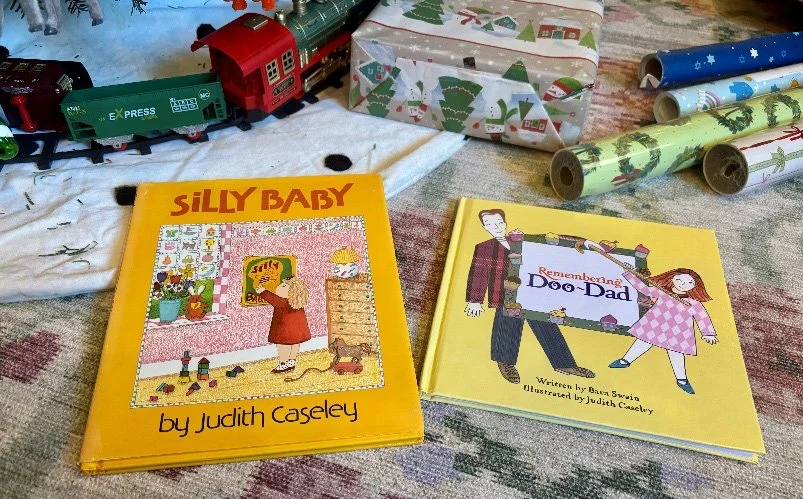
Most readers can’t spot the difference between a traditionally published book and a hybrid-published book.
The only noticeable variation is that KDP paper quality isn’t quite as lush as traditional big-house print runs. But major publishers print in huge quantities and can afford the best paper and inks. Can you tell which is which?
The Bottom Line
Whether you choose Hybrid Publishing or Traditional Publishing, don’t enter the publishing world expecting fame or fortune.
Enter it because:
You care about the story.
You want the joy of seeing a book come to life.
You’re willing to participate in marketing and promotion.
You understand that publishing—any kind—is a partnership.
If you bring the commitment, your book will be a treasure.
And the smartest choice?
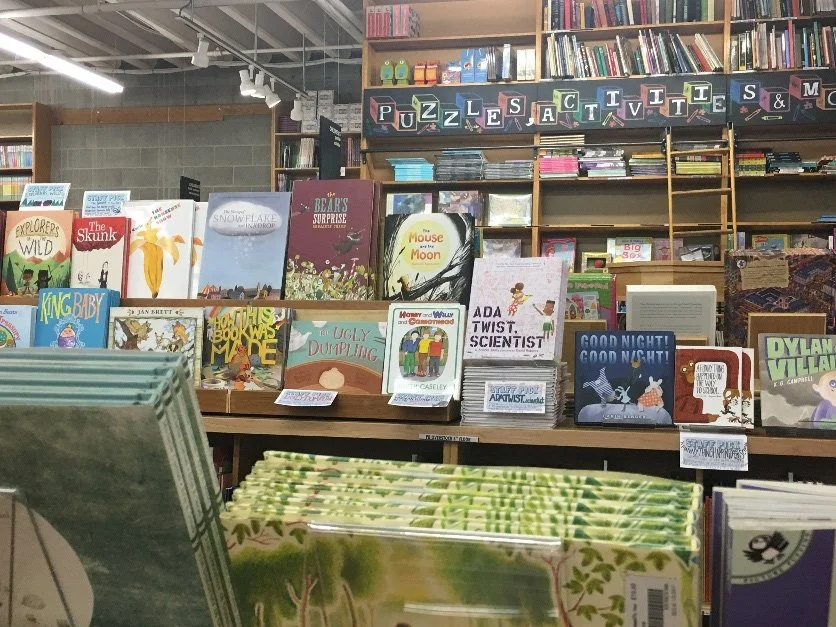
The path that gets your story in the hands of readers—beautifully and professionally without breaking your spirit along the way. There is no better feeling than spotting your book displayed in a bookstore. (Look for Harry, Willy, and Carrothead!) Make it happen in 2026.